



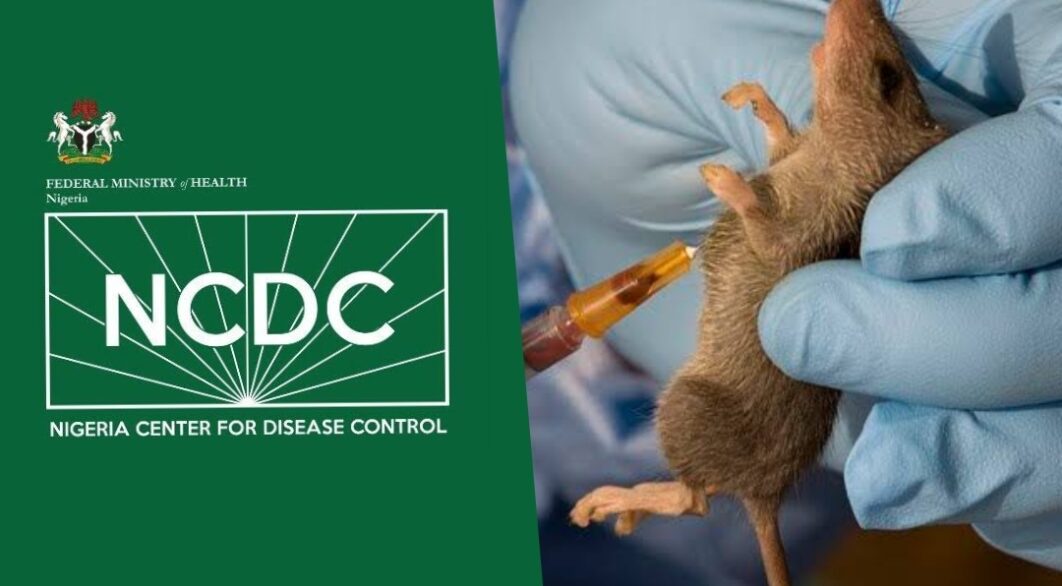
Nigeria is witnessing a renewed rise in Lassa fever infections, with the Nigeria Centre for Disease Control and Prevention (NCDC) confirming 963 cases and 229 deaths across the country as of Epidemiological Week 28 of 2026.
The latest Lassa fever situation report released by the agency on Friday showed that confirmed infections increased to 25 in Week 28 after dropping from 31 cases in Week 26 to 14 cases in Week 27, indicating that transmission remains active despite ongoing containment measures.
According to the report, the latest confirmed cases were detected in Ondo, Bauchi, Edo, Kogi and Cross River states.
The NCDC disclosed that the disease has recorded a case fatality rate of 23.8 per cent this year, considerably higher than the 18.7 per cent reported during the corresponding period in 2025.
Data from the agency also revealed that by the end of Week 27, Nigeria had documented 936 confirmed infections and 224 deaths, representing a 23.9 per cent fatality rate, compared to 18.9 per cent recorded during the same period last year.
The outbreak has now spread to 23 states and 114 local government areas, an increase from the 113 LGAs affected a week earlier.
Bauchi, Ondo, Taraba, Benue and Edo states remain the worst-hit locations, collectively accounting for about 86 per cent of all confirmed infections recorded in Week 28.
The report further indicated that adults aged between 21 and 30 years continue to account for the highest number of infections, making them the most affected age group during the outbreak.
While no healthcare worker contracted the disease in Week 27, one health worker tested positive in Week 28, highlighting the continued occupational risks faced by frontline medical personnel.
The NCDC urged state governments and healthcare providers to strengthen surveillance systems, ensure early diagnosis and prompt treatment of suspected cases, and maintain strict infection prevention and control practices.
It also called for increased public awareness and community engagement to encourage preventive measures and reduce the spread of the disease.
Lassa fever is a viral haemorrhagic illness commonly transmitted through exposure to food, surfaces or household items contaminated by the urine or droppings of infected multimammate rats. Human-to-human transmission is also possible, particularly in healthcare settings where infection control measures are inadequate. The disease remains endemic in several parts of Nigeria.