



The Federal Government has attributed the sharp rise in Nigeria’s public debt from about N75 trillion to more than N140 trillion primarily to the depreciation of the naira and accounting adjustments, rather than extensive new borrowing.
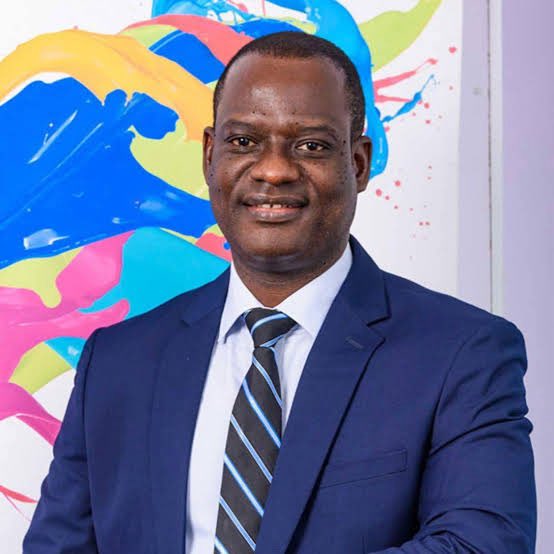
Minister of Finance and Coordinating Minister of the Economy, Taiwo Oyedele, made the clarification on Monday while briefing the Senate Committee on Finance, saying claims that the Tinubu administration borrowed an additional N80 trillion since taking office in May 2023 do not reflect the full picture.
Addressing lawmakers, Oyedele explained that the weakening of the naira significantly increased the local currency value of Nigeria’s external obligations because the country reports its public debt in naira.
He said the revaluation of foreign-denominated debt alone added more than N40 trillion to the national debt profile, even though no new loans were taken for that amount.
The minister also pointed to the securitisation of the Federal Government’s inherited Ways and Means advances as another major factor behind the increase. According to him, the National Assembly-approved exercise added about N33 trillion to the official debt stock by formally recognising existing liabilities rather than creating fresh debt.
Oyedele further noted that much of the government’s domestic borrowing has been used to refinance maturing obligations, stressing that replacing old debt with new instruments should not be interpreted as additional borrowing.
He maintained that the administration remains committed to prudent debt management, adding that borrowing is being undertaken cautiously to support infrastructure, economic growth and long-term fiscal sustainability.
According to the minister, every loan obtained by the government is expected to generate economic value that exceeds its cost.
Meanwhile, members of the Senate Committee on Finance expressed concern over the slow implementation of the capital component of the 2026 Appropriation Act.
Senate Chief Whip Tahir Monguno described the pace of capital project execution as unsatisfactory, warning that delays undermine both legislative objectives and public confidence in government spending.
Responding after a closed-door meeting with the minister and members of the government’s economic team, Chairman of the Senate Committee on Finance, Sani Musa, assured lawmakers that efforts were underway to improve budget implementation.
Musa disclosed that the executive was considering replacing the existing envelope budgeting model with a performance- and priority-driven system while also reviewing contractor payment procedures to eliminate delays and speed up the execution of approved capital projects nationwide.