


Adamawa State Commissioner for Information and Strategy, Hon. Leader Leneke, has dismissed calls for the restoration of fuel subsidy, saying Nigeria must not return to a system he described as a major avenue for corruption.
Leneke maintained that although the removal of subsidy had imposed significant economic pressure on Nigerians, the solution was not to revive the old regime but to adopt policies capable of lowering the cost of petroleum products and easing the burden on citizens.
The commissioner spoke on Tuesday while featuring on Frontline, a current affairs programme on Eagle 102.5 FM, Ilese-Ijebu.
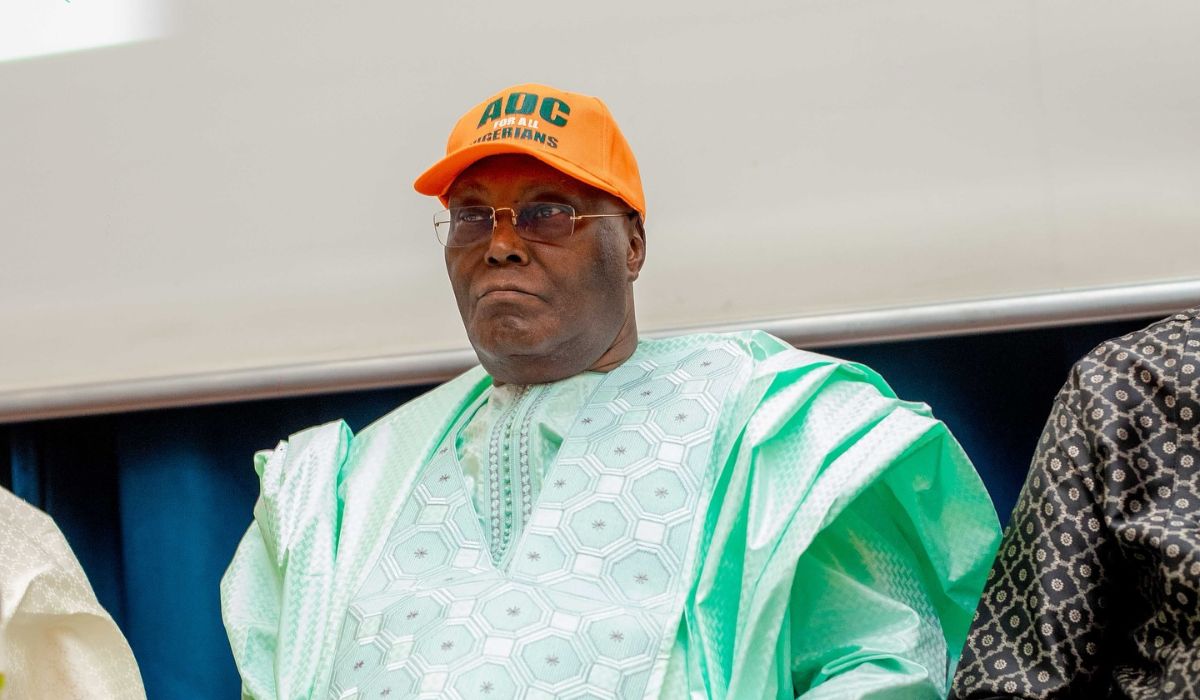
His comments came amid renewed calls from some political figures, including former Vice President Atiku Abubakar, for a review of the government’s fuel subsidy policy.
According to Leneke, Nigeria has moved beyond the subsidy era, stressing that experts in the petroleum and economic sectors could still work out measures to reduce fuel prices without returning to government-funded subsidies.
“We have passed the era of fuel subsidy in this country and we cannot return to it,” he said.
He argued that the government should instead concentrate on deploying the additional revenue generated from subsidy removal to programmes that directly improve the welfare of Nigerians.
Leneke said such interventions should include better transportation systems, improved mobility and other measures capable of reducing the immediate impact of rising fuel costs on households and businesses.
He acknowledged that the removal of subsidy had created hardship, but noted that the policy was not peculiar to President Bola Tinubu’s administration, as the issue featured prominently in the manifestos and campaigns of several presidential candidates during the 2023 election.
“The issue of fuel subsidy removal was an issue practically every presidential aspirant in 2023 ran his campaign on. Everybody said they were going to remove fuel subsidy,” he said.
The commissioner specifically noted that Atiku had also advocated the removal of subsidy during the 2023 presidential campaign.
While defending the policy in principle, Leneke admitted that the government could have done more to prepare Nigerians for the consequences of its implementation.
He said the distribution of increased revenue through the Federation Account was not enough, arguing that more targeted interventions were required to cushion the effects of the policy on citizens.
“One of the reasons is because there was maybe no proper planning when we removed this subsidy, apart from the fact that the proceeds come and they are shared through the Federal Allocation Committee,” he said.
Leneke suggested that the government could establish dedicated mechanisms to tackle challenges directly linked to subsidy removal, particularly in areas such as transportation and other essential services.
He also criticised the former subsidy regime, alleging that its benefits were concentrated in the hands of a small number of individuals while the wider population continued to suffer economic hardship.
“What continued in that era and period to swindle Nigerians, only a few people benefited from it, only a few people ate from it, while the rest of the country suffered impoverishment and all of that,” he said.
The commissioner further warned Nigerians against political promises to restore the subsidy regime ahead of the 2027 general elections.
He argued that rather than promising a return to subsidies, political leaders should present credible and sustainable solutions to reduce the hardship associated with the policy.
“My opinion is that the fuel subsidy regime is already gone. Nobody should bamboozle us by promising us what he cannot deliver, that you’re taking us back to fuel subsidy regime again,” Leneke said.
He maintained that the priority should be to develop practical measures capable of reducing the economic burden on Nigerians while preserving the gains achieved through subsidy removal.
Leneke also acknowledged that the policy had significantly increased government revenue, thereby providing additional resources to the federal, state and local governments.
He, however, called for greater accountability from the states in the management of the additional funds received as a result of subsidy removal.
He said governments at all levels must demonstrate that the increased allocations were being channelled towards programmes capable of improving the welfare of citizens and addressing the economic difficulties they face.
“Of course, the removal of the subsidy has also brought advantages. It has added to so much of what revenue the government generates and is able to distribute to the federating units,” he said.
The commissioner stressed that accountability would be critical in determining whether the additional revenue from subsidy removal ultimately translates into tangible improvements in the lives of Nigerians.