



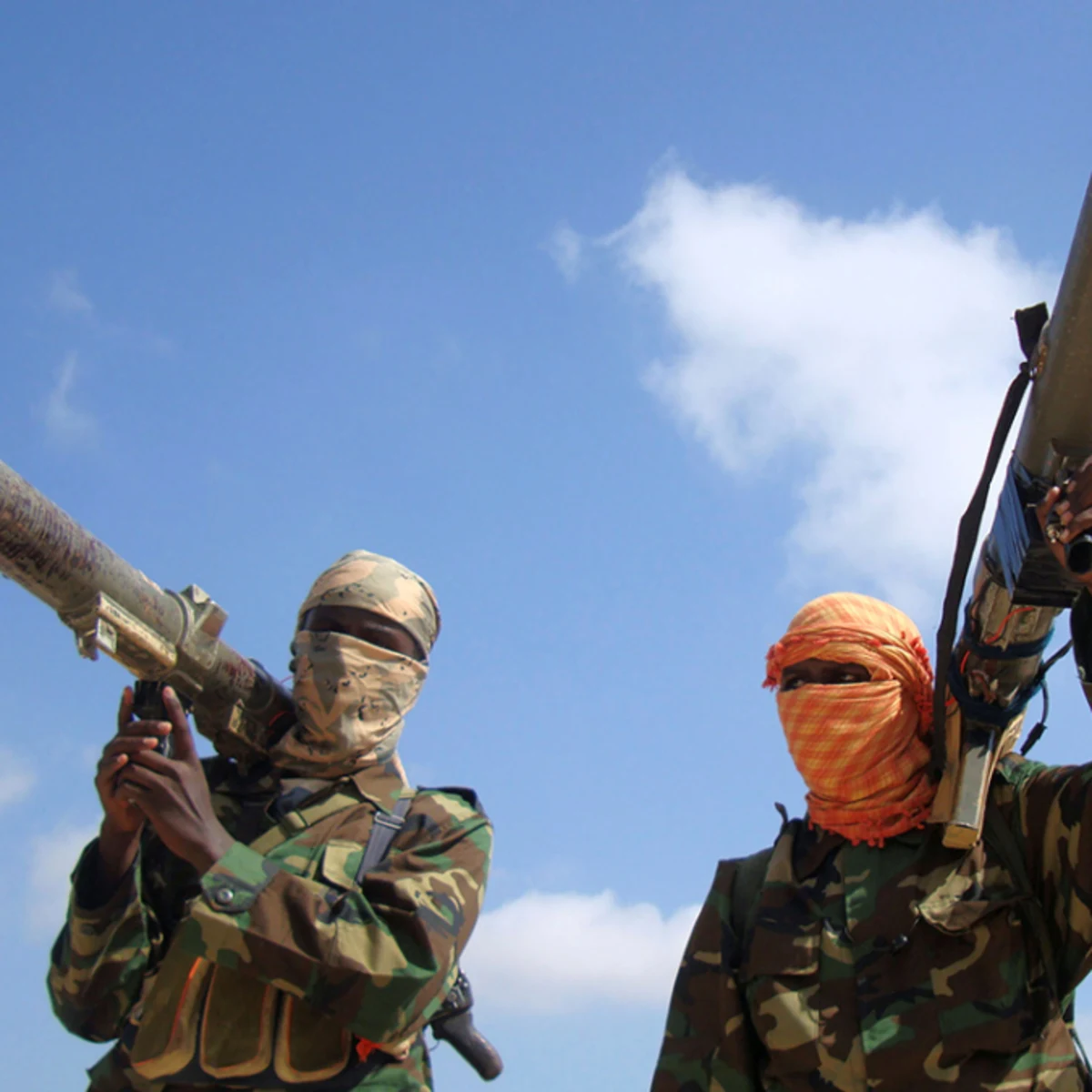
The United Nations has raised concerns over the growing sophistication of terrorist groups operating in northern Nigeria and across the West African and Sahel region, warning that they are increasingly deploying drones, advanced communication technologies and cryptocurrencies to expand their operations.
The warning was delivered by Leonardo Simão, the UN Secretary-General’s Special Representative for West Africa and the Sahel and head of the United Nations Office for West Africa and the Sahel (UNOWAS), during a briefing to the UN Security Council on the region’s political, security and humanitarian situation.
Presenting the Secretary-General’s report covering November 29, 2025, to June 30, 2026, Simão said armed groups have significantly enhanced their operational capabilities, making them more difficult to combat.
According to him, the terrorists are coordinating attacks across national borders while using drones, sophisticated communication systems and cryptocurrencies to strengthen their networks.
He warned that their operations are increasingly linked to transnational organised crime, enabling them to expand territorial and economic control while undermining public confidence in state institutions.
Simão identified northern Nigeria and the central Sahel as among the areas most severely affected, noting that Nigeria, Niger and Burkina Faso continue to witness frequent terrorist attacks, kidnappings and heavy civilian casualties.
He disclosed that the insecurity has displaced about 6.8 million people across the region, with an additional 1.28 million seeking refuge or asylum in neighbouring countries. Women, children and young people, he said, remain the worst affected as insecurity and funding shortages continue to hamper humanitarian assistance.
Despite the deteriorating security environment, Simão highlighted signs of regional cooperation, including the reopening of the Kamba border crossing between Nigeria and Niger and progress by the Cameroon-Nigeria Mixed Commission in implementing the International Court of Justice’s 2002 ruling on the two countries’ land and maritime boundary.
He stressed that while military action remains important, it would not be sufficient to defeat terrorism, urging governments to tackle poverty, unemployment and other socio-economic conditions that fuel violent extremism.
Simão also noted that the Economic Community of West African States (ECOWAS) is working to operationalise its standby force but faces significant financial constraints.